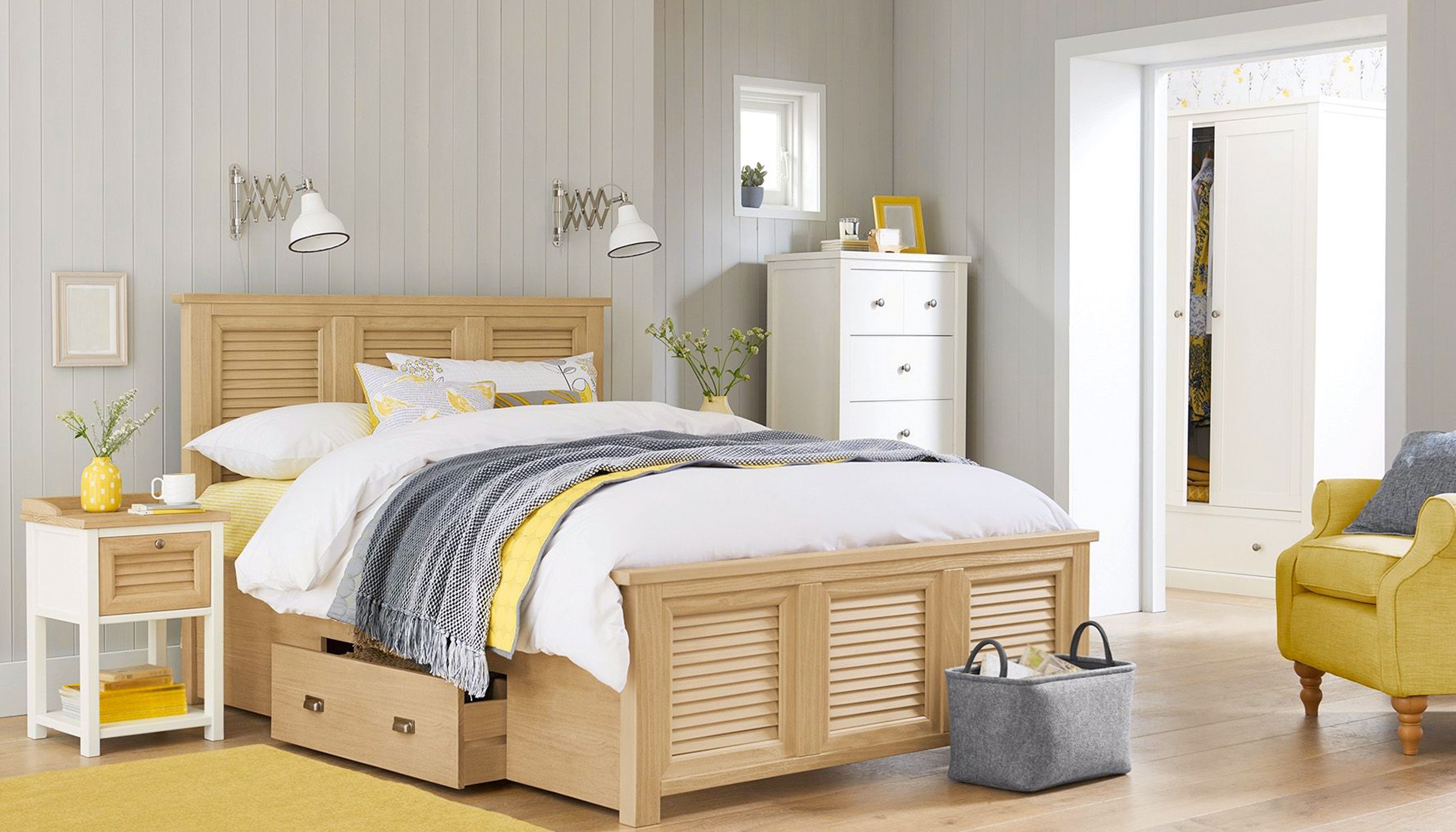
The bedroom is one of the most personal spaces in any home. It is where you begin and end each day, recharge your energy, and find quiet comfort. Choosing the right bedroom furniture is not just about style. It is about creating an environment that supports rest, organization, and long term satisfaction. With so many options available, shopping without a clear plan can quickly feel overwhelming.
This buying guide is designed to help you make informed decisions before you shop. By understanding what truly matters, you can select bedroom furniture that fits your space, lifestyle, and comfort needs while also adding lasting value to your home.
Understanding Your Bedroom Space
Before exploring styles or materials, take time to understand your bedroom layout. Measure the room carefully, including wall lengths, window placement, and door clearance. These measurements help determine what size furniture will fit comfortably without crowding the space.
Think about how you move within the room. Walkways should feel open and natural. There should be enough room to open drawers, access closets, and move around the bed easily. A bedroom that feels cramped can affect both comfort and relaxation.
Ceiling height and natural light also matter. Low ceilings often benefit from streamlined furniture that does not visually overpower the room. Bedrooms with ample light can handle darker finishes, while smaller or dimmer rooms often feel better with lighter tones.
Defining Your Comfort and Lifestyle Needs
Every household uses the bedroom differently. Some people see it purely as a place to sleep, while others use it for reading, working, or relaxing during the day. Understanding your lifestyle helps you choose bedroom furniture that supports how you live.
If storage is a challenge, pieces that offer built in organization may be important. If you enjoy a peaceful and uncluttered environment, fewer but well chosen pieces may be the right approach. Comfort should always be a priority, especially when selecting the bed and seating.
Your daily habits should guide your decisions. Furniture that matches your routine will feel natural and satisfying over time.
Choosing the Right Bed as the Centerpiece
The bed is the focal point of the bedroom and the most important piece of furniture. Its size should be proportional to the room. A bed that is too large can dominate the space, while one that is too small may feel out of place.
Consider the height of the bed as well. Some people prefer a higher profile for ease of getting in and out, while others enjoy a lower, more modern look. The design of the bed frame contributes to the overall style and comfort of the room.
Support and durability are essential. A well constructed bed provides stability and contributes to better sleep quality. Since this piece is used every day, quality matters more here than almost anywhere else.
Storage Furniture and Organization
A calm bedroom often begins with good organization. Storage furniture such as dressers, wardrobes, and night tables play a key role in keeping the space functional and clutter free.
When choosing storage pieces, consider how much you need and how often you access certain items. Drawers should open smoothly and offer enough depth for clothing and personal belongings. Taller storage units can save floor space in smaller rooms.
Balance is important. Too much furniture can make the bedroom feel crowded, while too little may lead to disorganization. Thoughtful selection creates a space that feels both open and practical.
Material and Finish Considerations
The materials used in bedroom furniture affect not only appearance but also durability and maintenance. Solid materials often provide long lasting value, while lighter materials may offer flexibility and ease of movement.
Finishes influence the mood of the room. Warm tones create a cozy and inviting feel, while cooler finishes can feel calm and modern. Choose finishes that align with your personal style and the overall design of your home.
Maintenance is another factor. Some finishes show wear more easily than others. Furniture that is easy to clean and care for often remains attractive longer.
Matching Furniture to Your Design Style
Your bedroom should feel like a reflection of you. Whether your taste leans toward classic, modern, or relaxed design, consistency helps create a harmonious environment.
Matching bedroom furniture does not mean everything must look the same. Instead, pieces should complement each other in scale, color, and overall feel. Mixing textures and subtle contrasts can add interest without disrupting balance.
Think about how your bedroom connects visually with the rest of the home. A cohesive design flow enhances comfort and makes the space feel intentional.
Comfort Beyond the Bed
While the bed is central, other furniture also contributes to comfort. Night tables should be at a convenient height and offer enough surface space for essentials. Seating such as a chair or bench can add functionality and create a cozy corner.
Furniture placement affects how comfortable the room feels. Pieces should support natural movement and avoid blocking light or access. A well arranged bedroom feels calm and easy to use.
Comfort also includes emotional comfort. Furniture that feels familiar, balanced, and well proportioned helps create a sense of peace.
Budgeting for Quality and Value
Setting a budget before shopping helps narrow choices and reduce stress. While it may be tempting to focus solely on price, quality should not be overlooked.
Bedroom furniture is an investment that affects daily comfort. Well made pieces often last longer and maintain their appearance better over time. Spending wisely on key items such as the bed and storage can provide long term value.
Exploring options at a trusted furniture store in Anaheim can help shoppers compare styles, materials, and craftsmanship in person. This experience often makes it easier to balance budget and quality.
Thinking About Long Term Use
Bedroom furniture should support you not just today but in the future. Consider how your needs may change over time. Furniture that adapts easily to new layouts or evolving lifestyles offers greater flexibility.
Neutral designs tend to age well and allow for easy updates with decor. Pieces that feel timeless reduce the need for frequent replacement and support sustainable choices.
Long term thinking leads to purchases that continue to feel right years after they are made.
Local Shopping and In Person Experience
Shopping locally offers advantages beyond convenience. Seeing bedroom furniture in person allows you to evaluate scale, finish, and comfort more accurately. You can open drawers, assess construction, and visualize how pieces might look in your home.
A furniture store in Anaheim often reflects local preferences and lifestyles, making it easier to find pieces that feel appropriate for the area. Knowledgeable staff can also provide guidance and answer practical questions.
This hands on experience supports confident decision making.
Buying bedroom furniture is about more than filling a room. It is about creating a personal retreat that supports rest, organization, and comfort. By considering space, lifestyle, materials, and long term value, you can make choices that truly enhance your daily life.
Thoughtful planning before you shop leads to bedroom furniture selections that feel intentional and satisfying. With the right approach, your bedroom can become a space that feels calm, functional, and uniquely yours for years to come.
About the Author