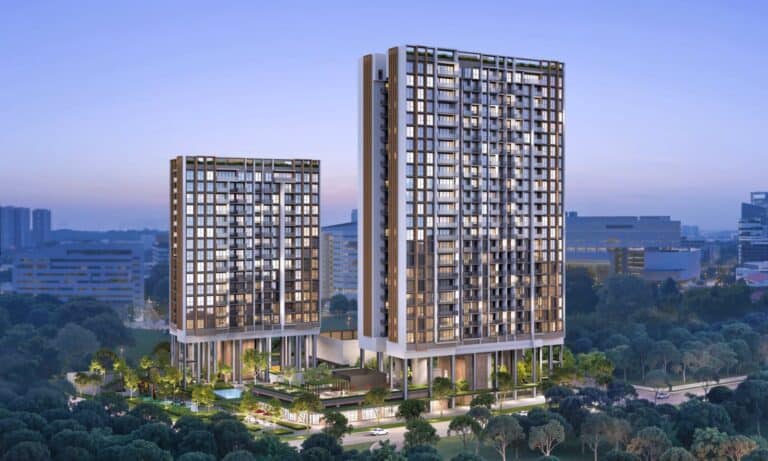
The residential planning of the urban areas has been slowly inclined to comfort, efficiency and emotional well-being. The lifestyle of residents of the modern city is characterised by the desire to have a house that will be peaceful among the hustle and bustle. Such projects as Tengah Garden Residences represent the way in which effective planning can be used in order to achieve a balance between density and populated areas, in addition to promoting a healthier lifestyle and closer interaction between personal and the space of the urban area.
Ergonomic Layouts to Lessen the Day-to-Day Friction.
Proper layouts assist the residents in passing around their homes without any complications. Smart zoning of the private and shared areas is a way to make them easier to use without growing in size. Tengah Garden Residences is no exception to this, as it gives more emphasis to practical designs that are open and spacious. This type of planning helps to minimise clutter, increase flexibility and enables residents to shape spaces as household demands change.
Vertical Living Human-Centred Design.
Comfort and flow of high-rise residential areas are to be considered carefully. Promenade Peak shows that even vertical living can be accessible, provided that the design is based on convenient access and space proportion. Careful placement of units, corridors, and common spaces contributes to residents experiencing a sense of place instead of being overwhelmed by the existence of tallness, density, and movement around them.
Facilities That Assist in the Everyday Life.
The designs of modern residential amenities are focused on daily necessities as opposed to luxury. There is a lack of luxurious features, which are instead illustrated in usability and convenience. Promenade Peak adheres to the same strategy by incorporating features that help to ease day-to-day tasks and promote balance.
- Different areas serve work and leisure.
- Real-life amenities minimise the travelling requirements.
- Reflective areas encourage relaxation.
Connectionism and Not Overstimulation.
The houses located in the city are highly benefited from easy accessibility to important services. Needs that are related to transport and other items are easy to acquire, and this reduces the amount of stress and time wastage. Promenade Peak highlights what is possible with urban connectivity of strong strength through coordinated residential planning. Efficient access implies that inhabitants are not pressurised and are tightly connected with the surrounding infrastructure of the city.
Design Flexibility over the Long-term.
The residential planning should be able to foresee shifting lifestyles. The homes which can change according to the changing needs will last longer and be more comfortable. Promenade Peak echoes the flexibility of layout and permanence of design, which aid the long-term use. This flexibility enables the residents to accommodate work, family transitions or ageing without compromising comfort or functionality.
The Design of the Emotional Well-Being.
Residential settings impact emotional well-being in addition to physical comfort. Light, greenery, and open views help to create calmness and concentration. Planning strategies that could be observed in Tengah Garden Residences focus on the following aspects with the aim of creating a certain sense of comfort.
Conclusion
Residential planning is an efficient blend of practicality, sustainability and the human experience. The promenade peak and other such projects are indicative of an increasing desire to have livable urban housing. Through the emphasis on comfort, flexibility and responsible design, contemporary residential planning promotes fun city living and tackles the challenges of density and urbanisation on a long-term basis.
About the Author